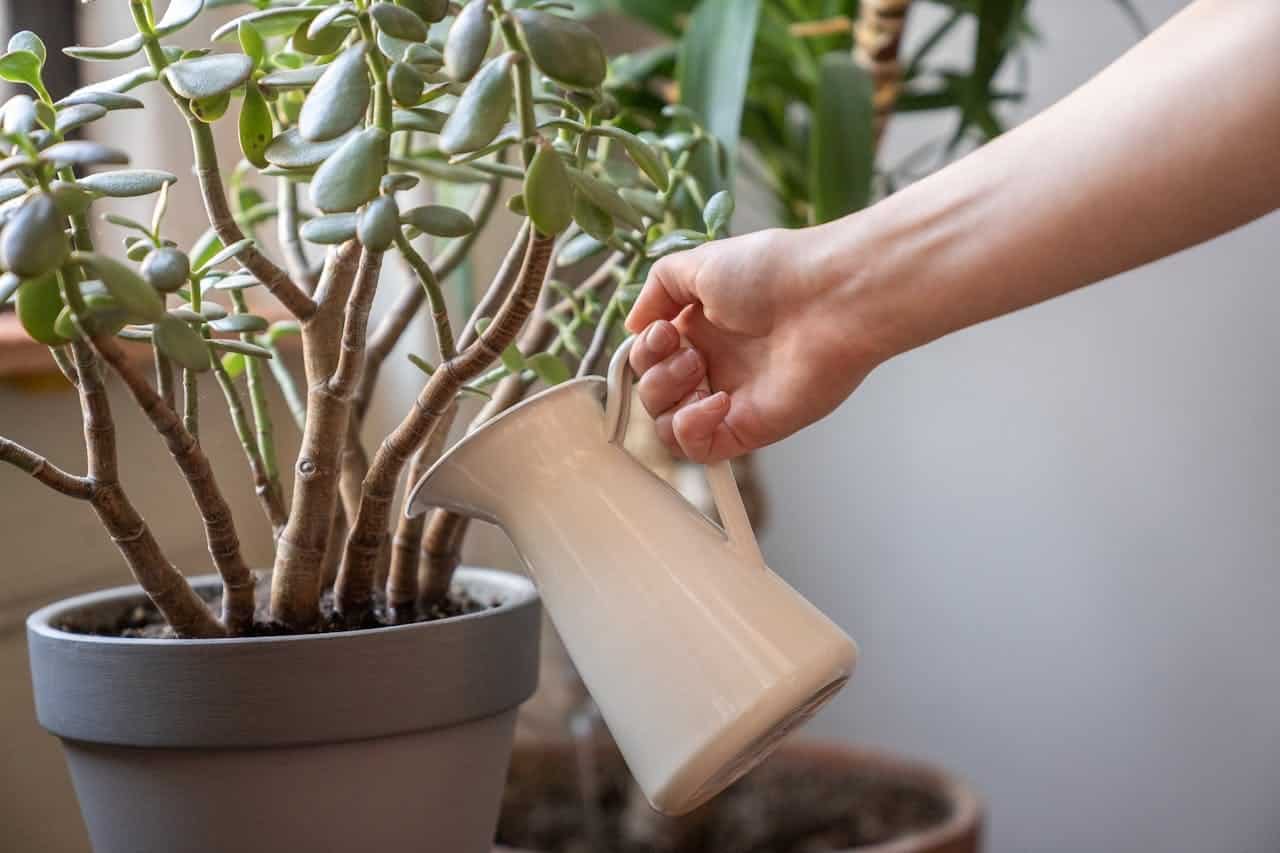
The Jade Plant (Crassula ovata) is a popular succulent known for its fleshy, oval leaves and tree-like structure. It is considered a symbol of good luck and prosperity in Vastu and Feng Shui, making it a common houseplant in India. It requires plenty of sunlight and minimal watering (only when the soil is completely dry), making it relatively easy to care for even in Hyderabad’s climate.
The Jade Plant: A Guide to Growing the Lucky Plant for Prosperity
The Jade Plant, scientifically known as Crassula ovata, is one of the most beloved and enduring houseplants around the world, including right here in Hyderabad. With its thick, fleshy, oval-shaped leaves that resemble jade coins and its sturdy, tree-like stems, it has a unique and appealing appearance. But the jade plant’s popularity isn’t just about its looks; it’s deeply intertwined with beliefs about luck, wealth, and positive energy.
Often called the “Money Tree,” “Lucky Plant,” or “Friendship Tree,” the jade plant is considered highly auspicious according to both Vastu Shastra and Feng Shui principles. It’s believed to attract prosperity and good fortune, making it a thoughtful gift and a welcome addition to any home or office. Beyond its symbolic value, the jade plant is also incredibly resilient and easy to care for, making it perfect for both beginner and experienced gardeners.
This guide will explore the benefits, care tips, and auspicious placement for your lucky jade plant.
Why is the Jade Plant Considered Lucky?
The association of the jade plant with wealth and prosperity comes from several sources:
- Coin-Shaped Leaves: The primary reason is the shape of its leaves, which resemble jade coins, a traditional symbol of wealth and abundance in many Asian cultures.
- Vastu Shastra: According to Vastu, the ancient Indian science of placement, keeping a healthy jade plant in the southeast corner of your home or office is believed to activate financial energies and attract wealth. The vibrant green leaves also symbolize growth and renewal.
- Feng Shui: Similarly, in Feng Shui, the jade plant is considered a “money cure.” Its vibrant energy is thought to attract prosperity. Placing it near the entrance of a home or business, or in the southeast (“wealth”) corner, is recommended.
- Resilience: Its ability to thrive with minimal care and live for many years symbolizes stability and enduring fortune.
How to Care for Your Jade Plant in Hyderabad’s Climate
Jade plants are native to South Africa and are well-suited to warm climates, but they need specific care, especially regarding watering and sunlight. Hyderabad’s climate, with its hot summers and distinct monsoon/winter seasons, requires some attention.
1. Sunlight: The Most Crucial Factor
- Requirement: Jade plants need plenty of sunlight to thrive – at least 4-6 hours of direct or bright indirect sunlight per day.
- Placement: An east-facing or south-facing balcony or window is ideal. If kept indoors, ensure it’s near the brightest window. Insufficient light will cause the plant to become leggy (long, stretched stems with sparse leaves). In peak Hyderabad summer (April-May), provide some protection from the harsh afternoon sun to prevent leaf scorch.
2. Watering: Less is More
- Requirement: This is where most people go wrong. Jade plants are succulents; they store water in their leaves and stems. Overwatering is the fastest way to kill them.
- How to Water: Allow the soil to dry out completely between waterings. Check by sticking your finger about an inch deep into the soil. If it feels dry, water thoroughly until water drains from the bottom of the pot. If it feels moist, wait longer.
- Frequency: In Hyderabad’s hot weather, you might need to water once every 7-10 days. During monsoon or winter, reduce the frequency significantly, perhaps watering only once every 2-3 weeks.
3. Soil: Drainage is Key
- Requirement: Use a fast-draining soil mix.
- Ideal Mix: A cactus and succulent potting mix is perfect. You can also make your own by mixing regular potting soil with a good amount of sand, perlite, or coco peat to improve drainage.
4. Potting:
- Requirement: Use a pot with good drainage holes. Terracotta pots are often preferred as they allow the soil to dry out faster. Choose a pot that is slightly larger than the root ball; jade plants don’t mind being a bit root-bound.
5. Fertilizing:
- Requirement: Jade plants are not heavy feeders.
- How to Feed: Feed them with a balanced liquid fertilizer, diluted to half-strength, once every 2-3 months during the main growing season (spring and summer). Do not fertilize during the winter.
[Image collage: Jade plant near a sunny window, close-up of the soil showing dryness, terracotta pot with drainage hole.]
Other Benefits of the Jade Plant
Beyond its reputation for luck, the jade plant offers other advantages:
- Air Purification: Like many houseplants, it helps to improve indoor air quality by absorbing some pollutants.
- Easy Propagation: You can easily grow new jade plants from a single leaf or stem cutting, making it a “friendship plant” that you can share.
- Low Maintenance: Its minimal water needs make it perfect for busy individuals or beginner gardeners.
- Adds Beauty: Its unique structure and glossy green leaves add a touch of natural elegance to any home decor.
Where to Buy and Price in Hyderabad
- Where to Buy: Jade plants are readily available at most local plant nurseries in Hyderabad, including those in areas like Madhapur, Gachibowli, and Necklace Road. You can also find them easily on online plant stores.
- Jade Plant Price: The price for a small, starter jade plant in Hyderabad typically ranges from ₹150 to ₹400, depending on the size and the pot it comes in. Larger, more mature plants can cost significantly more.
Conclusion
Whether you believe in its power to attract wealth or simply appreciate its beauty and resilience, the Jade Plant is a fantastic addition to any home. Its easy-care nature, combined with its positive symbolism, makes it a rewarding plant to grow. By providing it with ample sunlight and being mindful not to overwater, you can enjoy this “lucky plant” for many years, perhaps even bringing a little extra prosperity along the way.