Azalea Care Guide: How to Grow Vibrant Blooms in Your US Garden
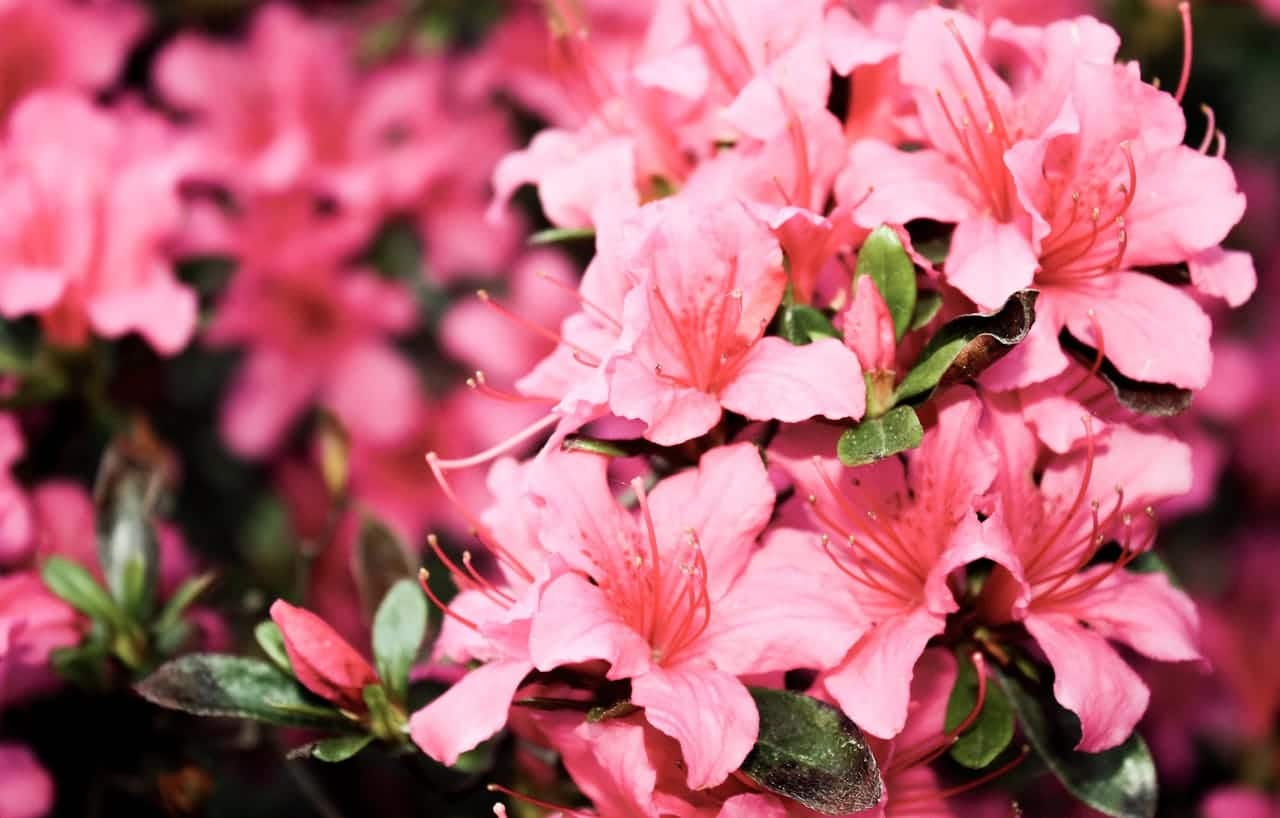
When spring arrives in many parts of the United States, few sights are as breathtaking as a landscape ablaze with the vibrant colors of Azalea bushes in full bloom. These stunning members of the Rhododendron genus are beloved for their prolific flowers, which can blanket the entire shrub in shades of pink, red, purple, white, orange, and yellow. Azaleas are a staple in Southern gardens, but can be grown successfully in many regions across the US with the right care.
While they have a reputation for being slightly demanding, growing beautiful Azaleas is achievable if you understand their specific needs, particularly regarding soil and light. This comprehensive guide will walk you through everything you need to know to successfully plant, grow, and care for Azaleas in your garden.
Understanding Azaleas: Types and Characteristics
Azaleas are technically a subgroup within the Rhododendron genus. There are thousands of varieties, generally falling into two main categories relevant to US gardeners:
- Evergreen Azaleas: These are the most common types found in nurseries, especially in warmer climates. They retain their leaves year-round (though some may drop leaves in colder winters) and typically bloom profusely in the spring. Popular groups include Kurume, Southern Indica, and Encore Azaleas.
- Deciduous Azaleas: These lose their leaves in the fall, often displaying beautiful autumn color before they drop. Their flowers, appearing in spring, are sometimes more fragrant than evergreen types. Native Azaleas fall into this category and are excellent choices for woodland gardens.
A particularly popular modern type is the Encore® Azalea, a group of reblooming evergreen Azaleas that flower not only in spring but also again in summer and fall, providing color for multiple seasons.
Choosing the Right Location: Light and Soil are Key
Success with Azaleas starts with planting them in the right spot.
Light:
- Ideal: Azaleas thrive in dappled sunlight or partial shade. Think of the filtered light under tall pine trees. Morning sun followed by afternoon shade is often perfect.
- Avoid: Planting in deep, dark shade (which reduces flowering) or in harsh, direct afternoon sun (which can scorch the leaves and flowers, especially in hotter climates).
Soil: The Most Critical Factor
- Requirement: Azaleas demand acidic, well-draining, and organically rich soil. This is non-negotiable. Their ideal soil pH is between 4.5 and 6.0.
- Testing Your Soil: Before planting, it’s highly recommended to get your soil tested (you can buy kits or contact your local county extension office). If your soil is alkaline (pH above 7.0), you will need to amend it significantly or consider growing Azaleas in containers.
- Amending the Soil: To lower pH and improve drainage, incorporate plenty of organic matter like composted pine bark, peat moss, or compost into the planting area. For alkaline soils, adding elemental sulfur gradually over time can help lower the pH. Avoid planting near concrete foundations or walkways, as lime can leach into the soil and raise the pH.
Planting Azaleas Correctly
- When to Plant: Fall and spring are the best times to plant Azaleas in most US regions.
- Planting Depth: This is crucial. Azaleas have shallow root systems and must be planted high. Dig a hole only as deep as the root ball and two to three times as wide. Set the plant so that the top of the root ball is 1-2 inches above the surrounding soil level. Backfill with amended soil, gently firming it around the roots. Planting too deeply is a common cause of failure.
- Mulching: Apply a 2-3 inch layer of organic mulch (like pine needles, pine bark, or shredded leaves) around the base of the plant, keeping it a few inches away from the main stem. Mulch helps retain soil moisture, keep the roots cool, and maintain soil acidity as it breaks down.
Watering: Consistent Moisture is Vital
Azaleas have fine, shallow roots that can dry out quickly. They need consistent moisture, especially during their first few years and during hot, dry periods.
- How Much: Water deeply whenever the top inch or two of soil feels dry. Aim to keep the soil consistently moist but never waterlogged. Soggy soil leads to root rot.
- Water Quality: If your tap water is very alkaline (“hard water”), it can gradually raise the soil pH over time. Using rainwater whenever possible is beneficial.
Fertilizing Azaleas
Azaleas are not heavy feeders. Over-fertilizing can harm them.
- When: Feed them lightly once a year, immediately after they finish blooming in the spring.
- What: Use a fertilizer specifically formulated for acid-loving plants (often labeled for Azaleas, Rhododendrons, and Camellias). Follow the package directions carefully. Avoid fertilizing late in the summer or fall, as this can encourage tender new growth that may be damaged by winter cold.
Pruning Azaleas
Azaleas generally require minimal pruning.
- When: The best time to prune is right after they finish flowering in the spring. Azaleas set their flower buds for the following year during the summer, so pruning later than early July will remove next year’s blooms.
- How: Prune lightly to shape the plant, remove any dead or crossing branches, and encourage bushier growth. Avoid heavy shearing.
USDA Hardiness Zones
Most common evergreen Azaleas thrive in USDA Hardiness Zones 6 through 9. Deciduous varieties often have a wider range, with some native species being hardy down to Zone 4 or 5. Always check the plant tag for the specific variety’s hardiness rating to ensure it’s suitable for your region.
Common Problems
- Yellowing Leaves: Often a sign of iron chlorosis, caused by soil pH being too high. Amend the soil to lower the pH.
- Lace Bugs: Small insects that feed on the undersides of leaves, causing a stippled, bleached appearance on top. Treat with insecticidal soap or horticultural oil.
- Petal Blight: A fungal disease that causes flowers to turn brown and mushy, especially in wet spring weather. Improve air circulation and remove affected blooms promptly.
Growing Azaleas is a rewarding experience that culminates in an unforgettable burst of spring color. By providing them with the acidic, well-draining soil and dappled sunlight they crave, you can enjoy their spectacular blooms for many years to come, making them a beautiful and valuable addition to your American garden landscape.