SpaceX Starship Megarocket Launch Targeted for Oct 25, Will Attempt Booster “Catch”
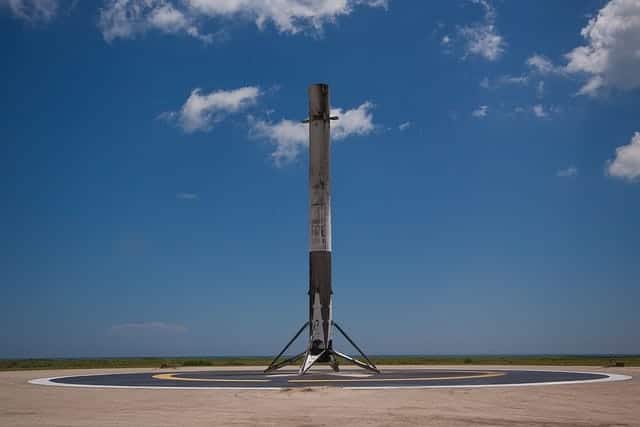
BOCA CHICA, TEXAS – SpaceX is preparing for its most ambitious test flight yet, targeting Saturday, October 25, 2025, for the next launch of its Starship megarocket. This sixth integrated flight test of the world’s most powerful rocket will not only aim to build on the successes of previous flights but will also feature a landmark new objective: attempting to catch the returning Super Heavy booster with the launch tower’s giant robotic arms.
The launch is scheduled to take place from the company’s Starbase facility in South Texas. The test flight represents another critical step in SpaceX’s mission to develop a fully reusable transportation system capable of carrying humans and cargo to the Moon, Mars, and beyond. The success of this flight is pivotal for NASA’s Artemis program and Elon Musk’s long-term vision of interplanetary travel.
Flight 6: Primary Objectives
While previous flights have successfully demonstrated ascent, stage separation, and a soft splashdown of the Starship upper stage, Flight 6 is raising the stakes significantly.
The “Mechazilla” Catch
The primary and most challenging goal of this mission is the first-ever attempt at a “catch” of the Super Heavy booster. After stage separation, the massive booster will perform a boostback burn and return to the launch site. Instead of landing on the ground, it will guide itself to be caught and secured by two giant robotic arms on the launch tower, a system affectionately nicknamed “Mechazilla.”
This maneuver, if successful, will be a revolutionary achievement in rocketry. It is the key to SpaceX’s vision of rapid reusability, which would allow a booster to be placed back on the launch mount, refueled, and ready for another flight in a matter of hours, drastically reducing the cost of access to space.
Starship’s Re-entry and Landing
The Starship upper stage will continue on a suborbital trajectory. It will test its payload bay doors in space before performing its “belly flop” maneuver to re-enter Earth’s atmosphere. The objective is to gather more precise data during re-entry and execute a soft splashdown in the Indian Ocean, paving the way for a future landing and recovery.
How to Watch the Launch in the US and UK
SpaceX will provide a live, high-quality webcast of the entire launch attempt.
- Where to Watch: The official livestream will be available on the SpaceX website and on their official account on X (formerly Twitter).
- Launch Timings:
- United States (CDT): The launch window is expected to open around 8:00 AM CDT on October 25.
- United Kingdom (BST): For viewers in the UK, this corresponds to 2:00 PM BST.
- Webcast Start: The live webcast typically begins about 30 minutes before the targeted liftoff time.
Note: All launch dates and times are dynamic and subject to change based on weather conditions and technical readiness. Follow SpaceX’s official channels for the latest updates.
The Road to the Moon and Mars
Each Starship test flight is an iterative step in a much grander plan. The development of Starship is critical for two main long-term goals:
- NASA’s Artemis Program: A specialized version of the Starship upper stage has been selected by NASA to be the Human Landing System (HLS) for the Artemis III and subsequent missions. This means Starship will be the vehicle that returns astronauts to the lunar surface for the first time in over 50 years.
- Mars Colonization: Elon Musk’s ultimate goal for Starship is to enable the creation of a self-sustaining city on Mars, making humanity a multi-planetary species. The rocket’s massive payload capacity and full reusability are designed to make this ambitious vision technologically and economically feasible.
This upcoming test is another chapter in one of the most exciting stories in modern engineering. The world will be watching to see if SpaceX can once again push the boundaries of what’s possible in spaceflight.