Queen of the Night: The Magical Flower That Blooms for Only One Night
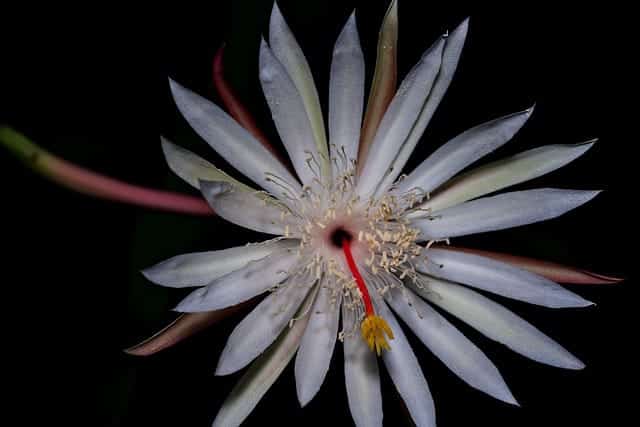
In the vast and wonderful world of plants, few can match the mystique and dramatic beauty of the Queen of the Night (Epiphyllum oxypetalum). This unique plant is the subject of folklore and fascination, renowned for its giant, breathtakingly beautiful flowers that perform a spectacular show for a single night before wilting with the morning sun.
Many gardeners wait all year for this fleeting, magical event. The flower’s bloom is so special that people often host “blooming parties,” staying up late into the night just to witness the spectacle and breathe in its heavenly fragrance. Despite its exotic and mysterious reputation, the Queen of the Night is surprisingly easy to grow at home, rewarding patient gardeners with one of the most unforgettable displays in the botanical world.
This guide will explore the magic of this night-blooming cactus and provide you with all the tips you need to grow and care for it.
What is the Queen of the Night?
The Queen of the Night is a species of orchid cactus native to the rainforests of Southern Mexico and Central America. Unlike desert cacti, it is an epiphyte, meaning it grows on other trees in its natural habitat.
- The Plant: It doesn’t have the sharp spines you’d expect from a cactus. Instead, it has long, flat, and succulent leaf-like stems that arch gracefully, making it a beautiful hanging plant.
- The Bloom: The real star of the show is the flower. The buds, which hang from the edges of the stems, slowly develop over several weeks. On the chosen night, the bud will begin to open as the sun sets, revealing a magnificent, pure white flower that can reach up to 10 inches in diameter. The flower emits a rich, sweet, and powerful fragrance that can fill an entire room.
- The One-Night Spectacle: By midnight, the flower is in full, glorious bloom. This is the moment gardeners wait for. As dawn approaches, the flower begins to close, and by the time the sun rises, it has completely wilted, its spectacular, one-night performance complete.
How to Grow and Care for a Queen of the Night
Despite its dramatic nature, this plant is a low-maintenance and forgiving houseplant.
Light
The Queen of the Night thrives in bright, indirect light. An east-facing window or a spot that gets a few hours of gentle morning sun is ideal. Avoid placing it in direct, harsh afternoon sun, which can scorch its delicate stems.
Soil
As an epiphyte, it needs a light and well-draining soil mix. A standard potting soil for cacti and succulents is a good starting point. For an ideal mix, you can combine regular potting soil with perlite and orchid bark to improve aeration and drainage.
Watering
This is a key point of care. As a jungle cactus, it needs more water than its desert cousins but hates to have “wet feet.”
- Growing Season (Spring/Summer): Water thoroughly whenever the top 1-2 inches of soil feel dry to the touch. Let the excess water drain out completely.
- Dormant Season (Autumn/Winter): Reduce watering significantly. Water lightly only once every few weeks to prevent the soil from drying out completely.
Fertilizing
To encourage growth and blooms, feed your plant during the spring and summer.
- Growing Season: Use a balanced, all-purpose liquid fertilizer diluted to half-strength once a month.
- Blooming Season (Late Summer/Early Autumn): Switch to a low-nitrogen, high-phosphorus “bloom booster” fertilizer to encourage the plant to set flower buds.
How to Encourage Your Queen of the Night to Bloom
The most common question from owners is how to get their plant to flower. Here are the key factors:
- Maturity: The plant needs to be mature, which usually takes a few years. Be patient!
- Correct Light and Water: Following the care guide above is the most important step.
- A Bit of Stress: These plants often set buds when they are slightly “pot-bound” (their roots fill the pot). Don’t be too quick to repot them into a larger container. The transition from the warm, long days of summer to the cooler, shorter days of autumn also helps trigger blooming.
- Use a Bloom Booster: Feeding the plant with a high-phosphorus fertilizer in late summer can provide the final push it needs to produce flowers.
Interesting Facts and Folklore
- Propagation is Easy: This plant is incredibly easy to share. A single leaf-like stem can be cut, allowed to callus over for a few days, and then planted in soil to grow a whole new plant.
- Cultural Significance: In many cultures, the blooming of the Queen of the Night is considered a special, almost sacred event, symbolizing good luck and prosperity.
- The “Brahma Kamal” Confusion: In India, it is often mistakenly called “Brahma Kamal.” However, the true Brahma Kamal is a different, high-altitude flower found in the Himalayas. This plant’s association with the name is due to the magnificent, pure white nature of its bloom.
Growing a Queen of the Night is a lesson in patience and a celebration of fleeting beauty. The plant itself is a lovely addition to any home, but the reward of witnessing its spectacular, fragrant, one-night-only performance is an experience no plant lover will ever forget.