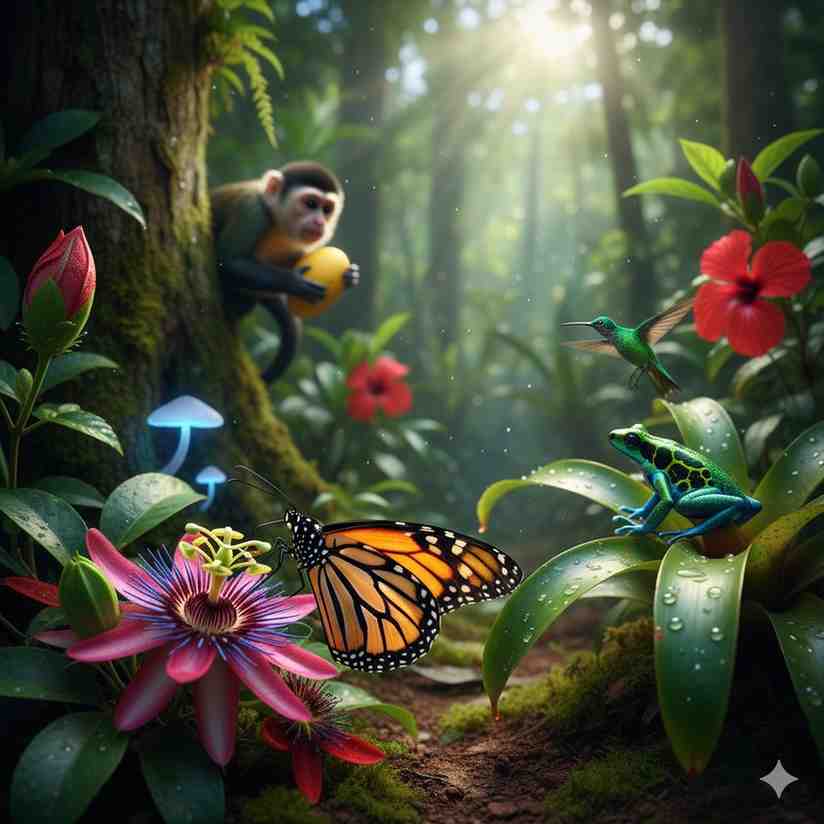
Animals and plants depend on each other in a vital cycle for survival. Plants produce oxygen through photosynthesis, which animals need to breathe. Animals exhale carbon dioxide, which plants use for photosynthesis. Animals also help plants reproduce through pollination and seed dispersal, while plants provide essential food and shelter for animals.
How Animals and Plants Depend on Each Other: A Cycle of Life
The natural world is a complex and beautiful web of interconnected relationships, and nowhere is this more evident than in the fundamental dependency between animals and plants. They are not separate entities living side-by-side; instead, they are locked in a vital, mutually beneficial partnership essential for the survival of both and the health of our planet. Understanding how animals and plants depend on each other reveals a fascinating cycle of life, energy, and cooperation.
From the very air we breathe to the food we eat, this interdependence operates at multiple levels. This guide explores the five key ways these two kingdoms rely on one another.
1. The Breath of Life: Oxygen and Carbon Dioxide Exchange
This is the most fundamental level of dependence, directly linked to the air we all need to survive.
- Plants Produce Oxygen: Through a process called photosynthesis, plants use sunlight, water, and carbon dioxide to create their food (sugars). A crucial byproduct of this process is oxygen, which is released into the atmosphere.
- Animals Need Oxygen: Almost all animals, including humans, require oxygen for respiration. We breathe in oxygen to help convert the food we eat into energy.
- Animals Produce Carbon Dioxide: As a byproduct of respiration, animals exhale carbon dioxide.
- Plants Need Carbon Dioxide: This exhaled carbon dioxide is exactly what plants need to perform photosynthesis.
This continuous exchange forms a vital atmospheric balance. Plants provide the oxygen animals need, and animals provide the carbon dioxide plants need. Without plants, the oxygen in the atmosphere would deplete; without animals, plants would lack a key ingredient for their food production.
2. Partners in Reproduction: Pollination
Many plants rely on animals to help them reproduce, specifically through the process of pollination.
- How it Works: Flowering plants produce pollen, which contains the male reproductive cells. For fertilization to occur and seeds to be produced, this pollen needs to be transferred to the female part (stigma) of another flower of the same species.
- The Role of Animals (Pollinators): Animals like bees, butterflies, moths, birds (like hummingbirds), and even bats play a crucial role as pollinators. As they visit flowers to feed on nectar (a sugary liquid produced by the plant), pollen grains stick to their bodies. When they move to the next flower, some of this pollen rubs off onto the stigma, achieving pollination.
- Mutual Benefit: Plants get help reproducing, ensuring the survival of their species. In return, they provide a vital food source (nectar and sometimes pollen) for these animals.
3. Spreading the Seeds: Seed Dispersal
Once a plant is pollinated and produces seeds (often encased in fruit), animals often play a key role in spreading these seeds far and wide.
- How it Works: Many plants produce attractive, fleshy fruits that animals eat. The seeds inside the fruit are usually tough enough to pass through the animal’s digestive system unharmed.
- The Role of Animals: When the animal travels and later excretes the seeds in its droppings, often far from the parent plant, it effectively plants the seed in a new location, complete with a small amount of natural fertilizer. Birds, monkeys, bears, and many other animals are important seed dispersers. Some animals also disperse seeds by carrying nuts (like squirrels burying acorns) or having seeds stick to their fur.
- Mutual Benefit: Plants get their seeds dispersed to new areas, increasing their chances of survival and colonization. Animals get a nutritious food source (the fruit).
4. The Foundation of Food: Food Chains
Plants form the essential base of almost every food chain on Earth.
- Plants as Producers: Plants are called producers because they create their own food using sunlight.
- Animals as Consumers:
- Herbivores (Primary Consumers): Animals that get their energy by eating plants (e.g., deer, cows, rabbits).
- Carnivores (Secondary/Tertiary Consumers): Animals that get their energy by eating other animals (e.g., lions eating deer, eagles eating rabbits).
- Omnivores: Animals that eat both plants and animals (e.g., bears, humans).
- The Dependency: Without plants, herbivores would have no food, which would, in turn, lead to the collapse of the entire food chain, affecting carnivores and omnivores as well. All animal life ultimately depends, directly or indirectly, on the energy captured by plants from the sun.
5. Home Sweet Home: Habitat and Shelter
Plants provide the physical structure for many ecosystems, offering essential shelter and protection for countless animal species.
- Forests and Trees: Provide homes, nesting sites, and protection from predators and the elements for birds, monkeys, squirrels, insects, and larger mammals. Tree canopies create shade, regulating temperature.
- Grasslands: Offer grazing land for herbivores and cover for smaller animals like rodents and ground-nesting birds.
- Aquatic Plants: Provide food, oxygen, and hiding places for fish and other aquatic life in ponds, lakes, and oceans.
The physical presence of plants shapes the environment, creating the diverse habitats that different animals need to survive, breed, and raise their young.
Conclusion: An Inseparable Bond
The relationship between animals and plants is a perfect example of nature’s intricate balance. They are engaged in a constant, dynamic exchange of resources—oxygen for carbon dioxide, pollination for nectar, seed dispersal for food, and food and shelter for the very structure of ecosystems. This deep interdependence highlights the importance of biodiversity and the need to protect both plant and animal life to maintain the health of our planet. When one part of this web is weakened, the entire system is affected, reminding us that we are all connected in the grand cycle of life.